If you’ve ever followed a generic “Australia planting chart” and watched your seedlings melt, rot, or stall, you’re not imagining things. Growing vegetables in Dayboro has its own rules. Our heat, humidity, summer downpours, dry spells, and surprise cold snaps mean timing matters and the “just plant it in spring” advice can be a fast way to waste money and water.
This Dayboro Vegetable Growing Guide is different because it’s not static. It’s driven by GardenBuddy our local system that combines Gardenate Zone 3 (sub-tropical) planting calendars with Dayboro’s own weather station data, plus short and long-range forecast signals. We’ve pulled and parsed the full Zone 3 planting data (92 vegetable pages) so the “when to plant” information is actually right for South East Queensland.
Each vegetable on this guide is scored using real conditions, not guesswork. We take the correct planting month, current temperatures, soil temperature, soil moisture, frost risk, the 7-day outlook, and the 30- to 90-day trend then generate plain-English planting advice and warnings like heavy rain ahead (delay transplanting), dry stretch forecast (plan irrigation), or frost risk on a specific date. In other words: if you plant today, the guide shows what the weather is likely to throw at that crop across its whole growing period not just what’s happening right now.

$2,400 a year in savings starts with a $25 garden bed.
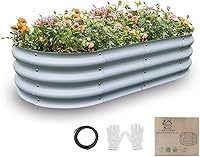
You’ve just seen what veggies cost at the supermarket. A small raised bed pays for itself in a single season of tomatoes and herbs. No yard needed — a deck or balcony works fine.

Vegetable Growing Guide
Complete planting guide for Southeast Queensland – Zone 10a subtropical climate
No vegetables found
Try adjusting your search or filter criteria
📅 Optimal Planting Calendar – SE Queensland
💡 SE Queensland Growing Tips
Beat the Heat
In summer, plant heat-tolerant varieties and provide afternoon shade. Mulch heavily to keep roots cool and retain moisture.
Water Wisely
Water deeply in early morning. Our subtropical climate means quick evaporation – drip irrigation is most efficient.
Build Soil Health
Our clay soils benefit from organic matter. Add compost regularly and use raised beds for better drainage.
Pest Prevention
Use companion planting and crop rotation. Check plants early morning when pests are most active.
Moon Planting
Try biodynamic planting – root crops during waning moon, leafy greens during waxing moon for better results.
Succession Planting
Plant small batches every 2-3 weeks for continuous harvest rather than one large planting.
More Garden Tools
Vegetable Growing Guide for Dayboro, SE Queensland – Zone 10a Subtropical Climate
Last updated: — | Back to Garden Hub